
Interim Procurement Leader vs. Management Consultancy: Differences, Roles and Decision Criteria
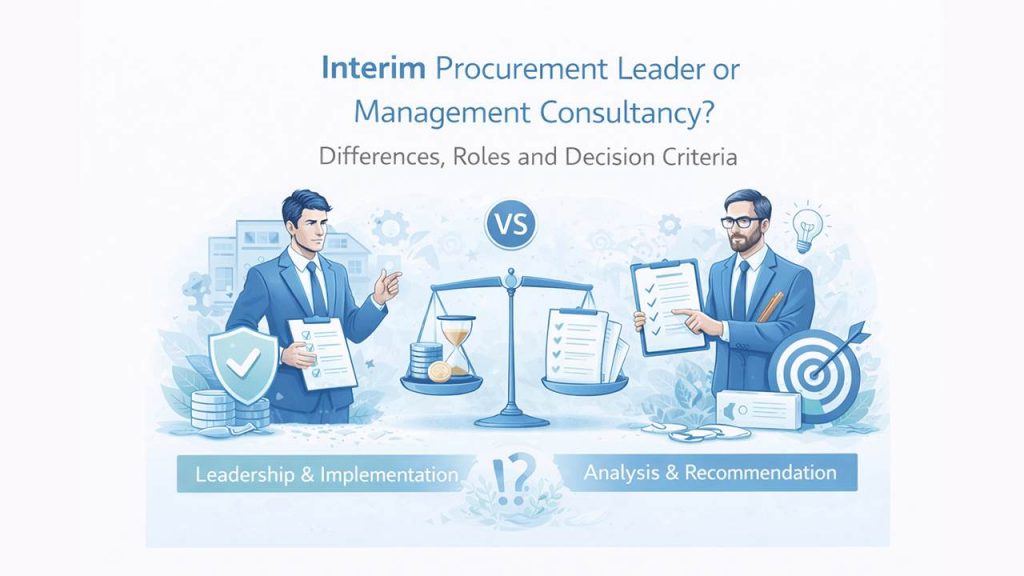
When organisations face challenges in procurement, the same question often arises: external consultancy or operational leadership on an interim basis? Both models bring expertise. However, they differ fundamentally in responsibility, speed and impact.
While consultants provide recommendations, an Interim Procurement Leader assumes operational accountability. This distinction becomes decisive in situations involving time pressure, leadership vacancies or escalating risks.
Cost-Cutting Programmes in Procurement: Why Implementation Often Fails Without External Leadership
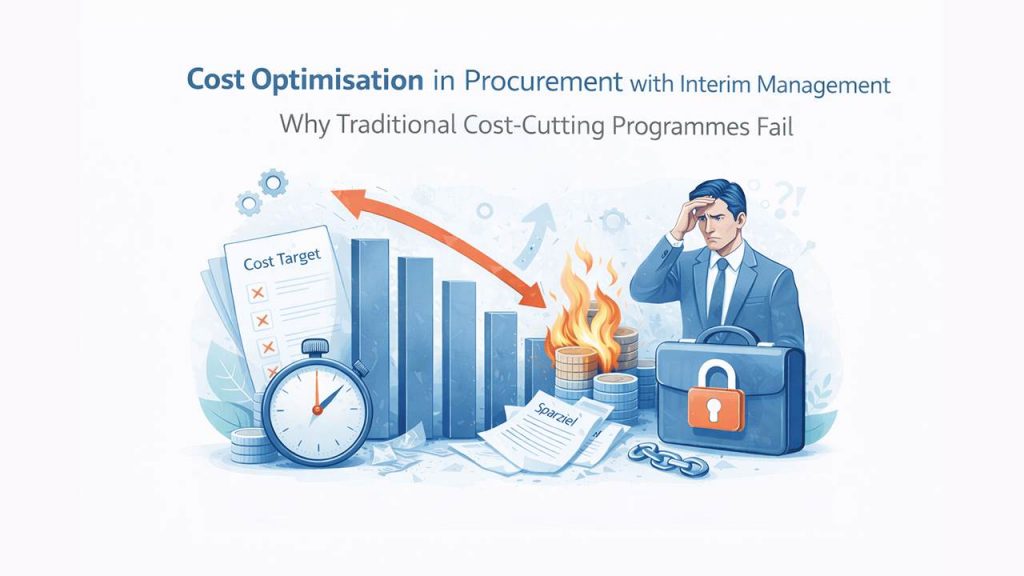
Price negotiations, budget cuts or blanket savings targets are often expected to deliver quick wins – yet in practice, these measures frequently lose momentum or even intensify existing issues.
True cost optimisation in procurement does not arise from short-term actionism, but from leadership, prioritisation and disciplined execution. This is precisely where interim management in procurement adds value: not as a conceptual exercise, but as operational accountability with a clear focus on measurable outcomes.
30-60-90 Day Plan in Interim Procurement: Delivering Impact Under Pressure
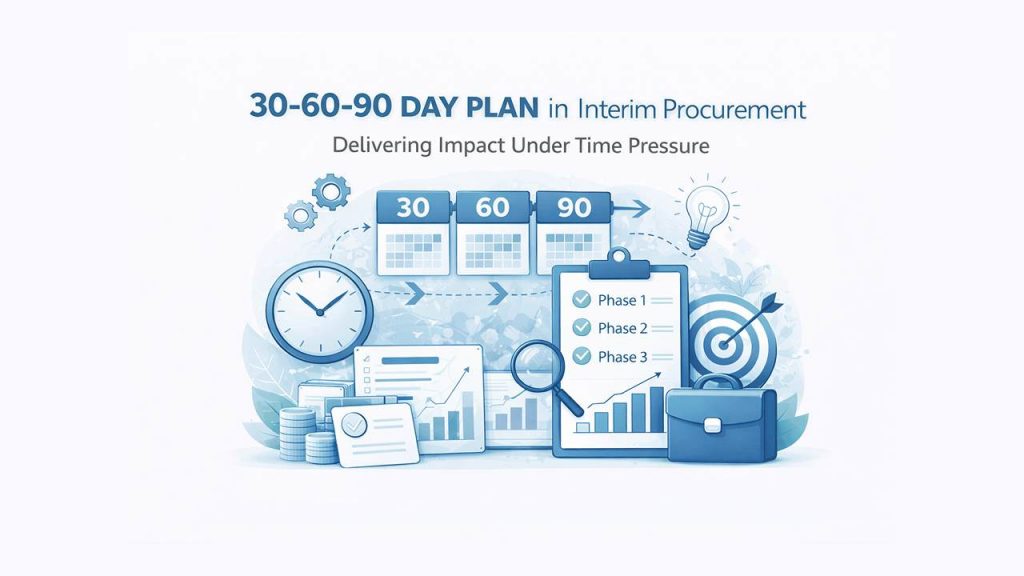
Interim procurement assignments rarely begin under ideal conditions. Leadership is missing, risks are immediate and expectations are high. In such situations, a structured 30-60-90 day plan often determines whether the mandate delivers real impact or loses momentum.
For an Interim Procurement Leader, this is not a theoretical framework but a leadership tool. It creates clarity, prioritises actions and makes progress visible to both management and the organisation — even under significant time pressure.
Interim Procurement: Taking Leadership When Execution Matters
When leadership in procurement is suddenly lacking, decisions begin to stall and operational risks increase. Interim procurement brings clarity and stability to such situations without delay.
As Interim Procurement Leaders, we assume operational responsibility, work directly within the organisation and are measured against tangible results — not advising from the sidelines, but delivering impact in day-to-day operations.
Interim or Permanent? When Which Solution Makes Sense in Procurement
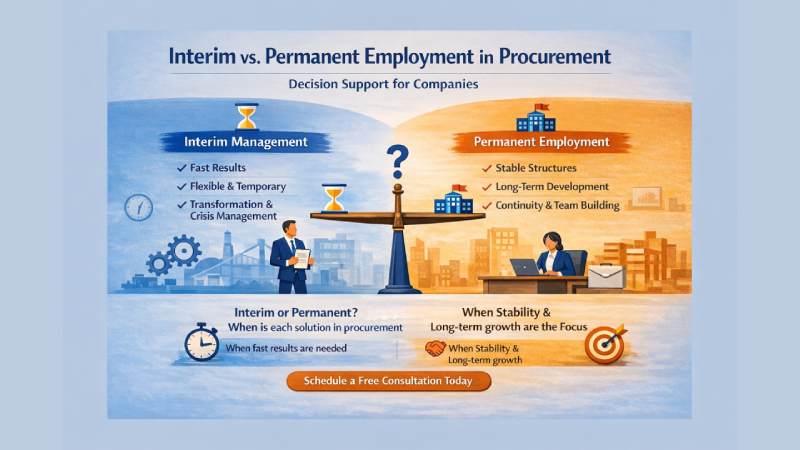
The choice between interim management and permanent employment in procurement is not a question of cost, but of context. Where rapid impact and change are required, interim delivers speed and focus. Where stability and long-term development matter, permanent leadership is the better choice.
Cost Optimisation in Procurement: Levers, Priorities and Typical Mistakes
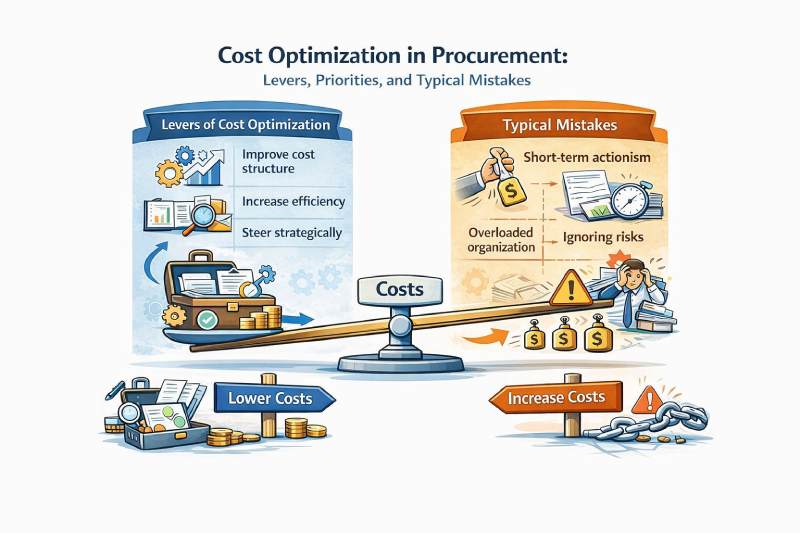
Cost optimisation in procurement creates sustainable impact not through isolated savings, but through a clear understanding of cost structures, focused prioritisation and consistent steering. Where efficiency gains and leadership decisions come together, short-term effects turn into lasting results.
Procurement Controlling: How KPIs Really Steer Procurement
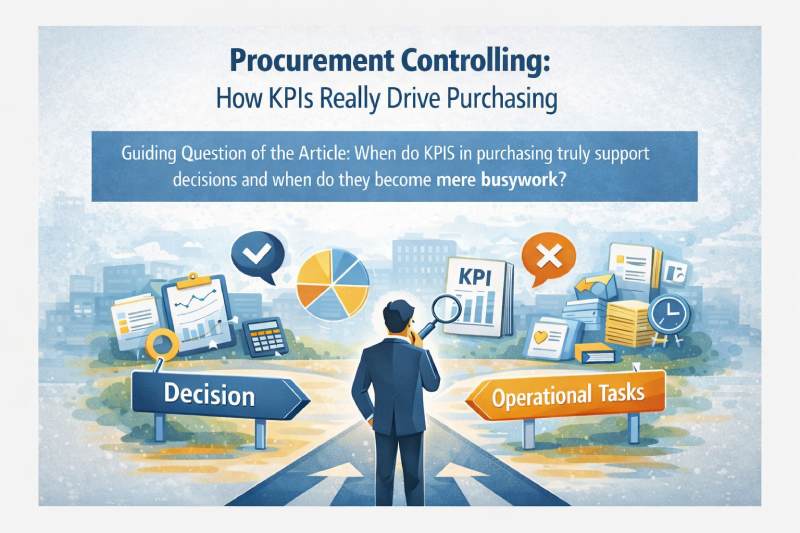
When do KPIs in procurement genuinely support decisions – and when do they become little more than busywork? Procurement controlling supports management decisions in procurement by using relevant KPIs in a targeted way to steer priorities, risks and deviations from objectives. It differs from pure KPI reporting through its focus on decision readiness rather than […]
Head of Procurement: Responsibilities, Role and Key Success Factors
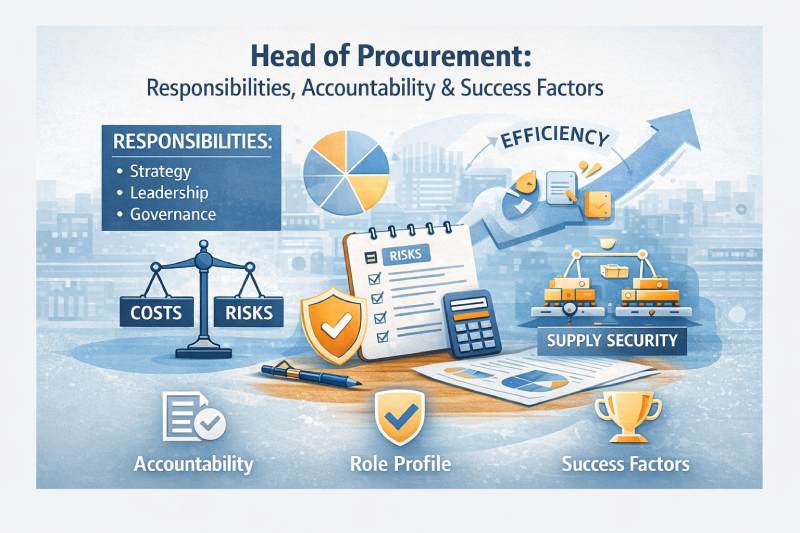
What does a Head of Procurement really do today? This article classifies the responsibilities, accountability and role profile of the Head of Procurement and explains why strategic steering, clear priorities and leadership capability are critical to building a high-performing procurement function.
Developing a Procurement Strategy: Approach, Objectives and Practical Examples
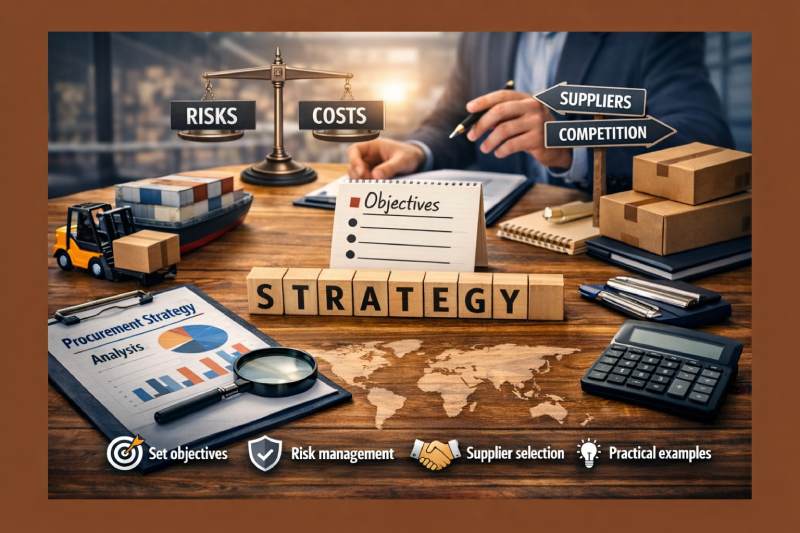
Developing a procurement strategy means steering decisions with intent. An effective strategy sets clear priorities, aligns corporate objectives with sourcing decisions, and creates orientation across categories, suppliers and risks. It is not a document for the drawer, but a central leadership instrument for cost efficiency, supply security and competitive advantage.
Operative vs strategic procurement: roles, differences and their importance for modern organisations
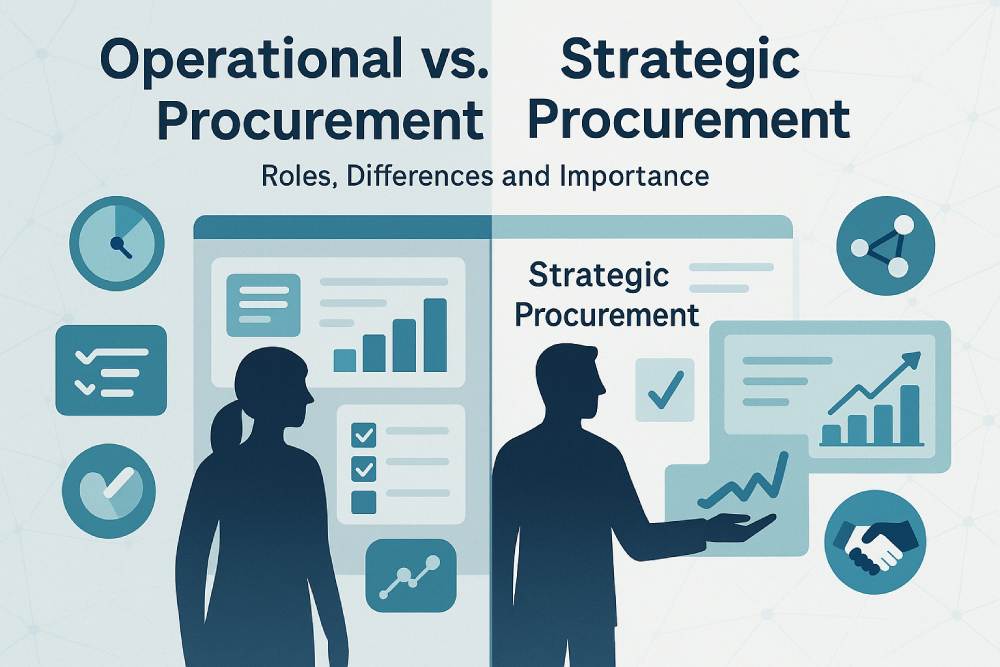
Operative and strategic procurement fulfil very different roles—but only together do they create a resilient, efficient and forward-looking purchasing function. When responsibilities are clearly defined and connected through shared data, organisations gain stability, speed and a competitive edge in increasingly complex supply chains.