





Electronic components are essential to modern industrial manufacturing. From mechanical engineering and automotive production to medical technology, semiconductors, printed circuit boards and electronic assemblies are used in countless products. However, sourcing these components can be challenging. Fluctuating lead times, limited supplier options and component discontinuations make procurement planning more complex.
A strategic approach to electronics procurement therefore considers more than purchase prices. Long-term availability and technical requirements are equally important. This article explores how companies can improve direct materials procurement, develop suitable sourcing strategies and reduce procurement costs.
What Does Material Procurement Involve in Electronics Purchasing?
Electronic components are essential to modern industrial manufacturing. From mechanical engineering and automotive production to medical technology, semiconductors, printed circuit boards and electronic assemblies are used in countless products. However, sourcing these components can be challenging. Fluctuating lead times, limited supplier options and component discontinuations make procurement planning more complex.
A strategic approach to electronics procurement therefore considers more than purchase prices. Long-term availability and technical requirements are equally important. This article explores how companies can improve direct materials procurement, develop suitable sourcing strategies and reduce procurement costs.

Challenges in Electronic Component Procurement
Component Availability and Supplier Dependencies
Many electronic components are manufactured by specialized suppliers. When demand increases or production capacity becomes limited, lead times can rise significantly.
Components available from only one qualified source are particularly vulnerable. If that supplier cannot deliver, finding a suitable replacement may be difficult.
Procurement teams should therefore identify critical components and assess whether alternative manufacturers offer technically and economically viable options.
Price Fluctuations and Technical Requirements
For specialized components, purchasing teams often have limited negotiating power. If product development has already specified a particular microcontroller, switching manufacturers may require additional testing or product modifications.
Early collaboration between procurement and engineering can help reduce these dependencies. Component selection should consider technical suitability alongside availability and long-term procurement costs.
Which Sourcing Strategies Are Suitable for Electronic Components?
An effective sourcing strategy depends on the economic importance of a component and the risks associated with its supply.
The most common approaches include:
| Strategy | Advantages | Risks |
|---|---|---|
| Single sourcing – one supplier | Consolidated purchasing volumes and closer collaboration | High supplier dependency |
| Dual sourcing – two qualified sources | Greater protection against supply disruptions | Additional qualification requirements |
| Multiple sourcing – several suppliers | Increased competition and flexibility | Higher coordination effort |
The most suitable strategy depends on the material involved. For standardized components, a broad supplier base may be economically beneficial. For highly specialized parts, long-term supply agreements and early qualification of alternatives are often more important.
What matters is the actual independence of the supply sources. Two distributors sourcing from the same manufacturer do not protect a company against a production interruption at that manufacturer.
Learn more in our article on developing a procurement strategy.
Category Management and Cost Optimization
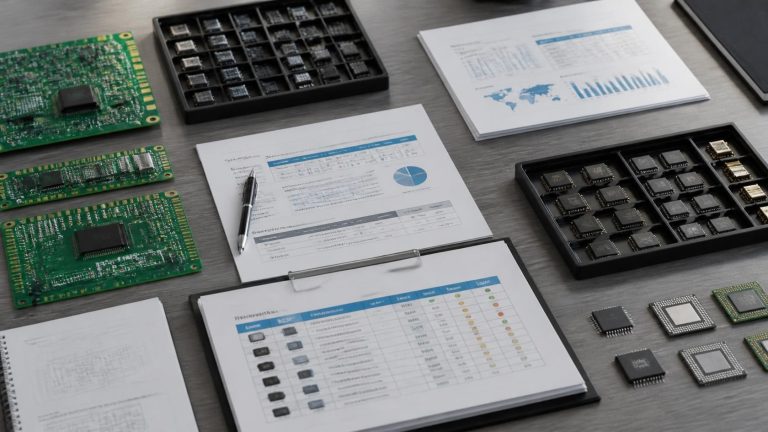
Structured category management allows companies to group electronic components according to their characteristics and procurement risks. Typical categories include semiconductors, passive components, printed circuit boards and connectors.
This provides a basis for consolidating purchasing volumes and developing suitable supplier strategies.
However, companies should not focus exclusively on the categories with the highest spending. Even a relatively inexpensive sensor can be critical to production if no replacement is available.
Consider Total Costs Rather Than Unit Prices
The lowest purchase price does not necessarily result in the most economical procurement decision.
The Total Cost of Ownership (TCO) approach also considers factors such as transportation, inventory holding costs and technical modification expenses.
A cheaper component may ultimately be more expensive if high minimum order quantities result in excessive inventory. Unexpected supply shortages can also generate substantial additional costs.
Effective cost optimization in electronics procurement therefore combines suitable sourcing strategies with a realistic assessment of supply risks.
For more information, see our article on category management in procurement.
Obsolescence Management: Identifying Component Discontinuations Early
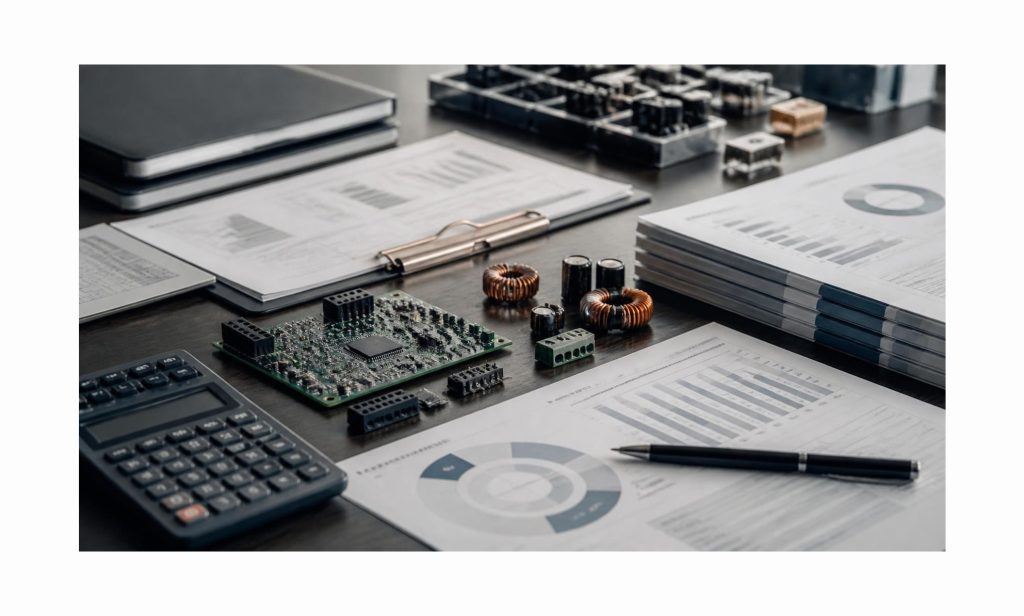
Electronic components often have shorter product lifecycles than the machines and systems in which they are installed. When a manufacturer discontinues a component, this can affect ongoing production and future spare parts availability.
Obsolescence management helps companies identify these risks early and take appropriate action.
This includes monitoring component lifecycles and assessing potential replacements. Manufacturers communicate product changes and discontinuations through notices such as Product Change Notifications (PCNs) and Product Discontinuance Notices (PDNs).
If no suitable alternative is available, a final purchase, known as a Last Time Buy, may be necessary. The order quantity must be calculated based on the remaining product lifecycle and expected spare parts demand.
For manufacturers of long-life industrial products, obsolescence management should therefore be integrated into procurement planning from an early stage.
How Can Companies Improve Electronics Procurement?
A systematic approach can help companies make direct materials procurement more economical and reliable.
- Analyze purchasing volumes: Establish transparency over materials, expenditure and suppliers.
- Identify critical components: Detect supplier dependencies and components without suitable alternatives.
- Develop sourcing strategies: Select appropriate sourcing models for individual material categories.
- Connect procurement and engineering: Coordinate technical requirements and market availability early in the development process.
- Monitor performance: Regularly evaluate on-time delivery, material costs and critical supply risks.
The measures should reflect the company’s actual procurement requirements. Not every component requires the same level of attention.
Conclusion: Taking a Strategic Approach to Electronics Procurement
In electronics procurement, the lowest unit price does not automatically lead to the best purchasing decision. Particularly for direct materials, companies need to ensure the long-term availability of electronic components and understand critical supplier dependencies.
Effective category management and appropriate sourcing strategies provide a foundation for this. Early collaboration between procurement and product development can also help avoid unnecessary costs and future supply problems.
Frequently Asked Questions About Electronics Procurement
What Is Electronics Procurement?
Electronics procurement involves sourcing electronic components and assemblies for industrial products. These include semiconductors, sensors, microcontrollers and printed circuit boards.
What Are Direct Materials?
Direct materials are materials and components that become part of a finished product. In electronics procurement, examples include microcontrollers, capacitors and electronic assemblies.
What Are the Main Sourcing Strategies?
Common strategies include single sourcing, dual sourcing and multiple sourcing. The appropriate approach depends on component availability, technical interchangeability and economic importance.
How Can Companies Reduce Electronics Procurement Costs?
Companies can reduce costs by consolidating purchasing volumes, standardizing suitable components and developing effective supplier strategies. It is important to consider total procurement costs, including inventory expenses and potential additional costs.